Tesla Semi Achieves Volume Production: Key Milestones and Insights
The Tesla Semi has reached a pivotal moment in its development as the first unit rolls off the newly established high-volume production line at Gigafactory Nevada. This achievement marks a significant step forward for the electric truck program, which has faced multiple delays and scrutiny. Below, we explore the most pressing questions surrounding this milestone, including the factory's role, program history, and what this means for the future of sustainable freight transport.
What milestone did Tesla achieve with the Semi?
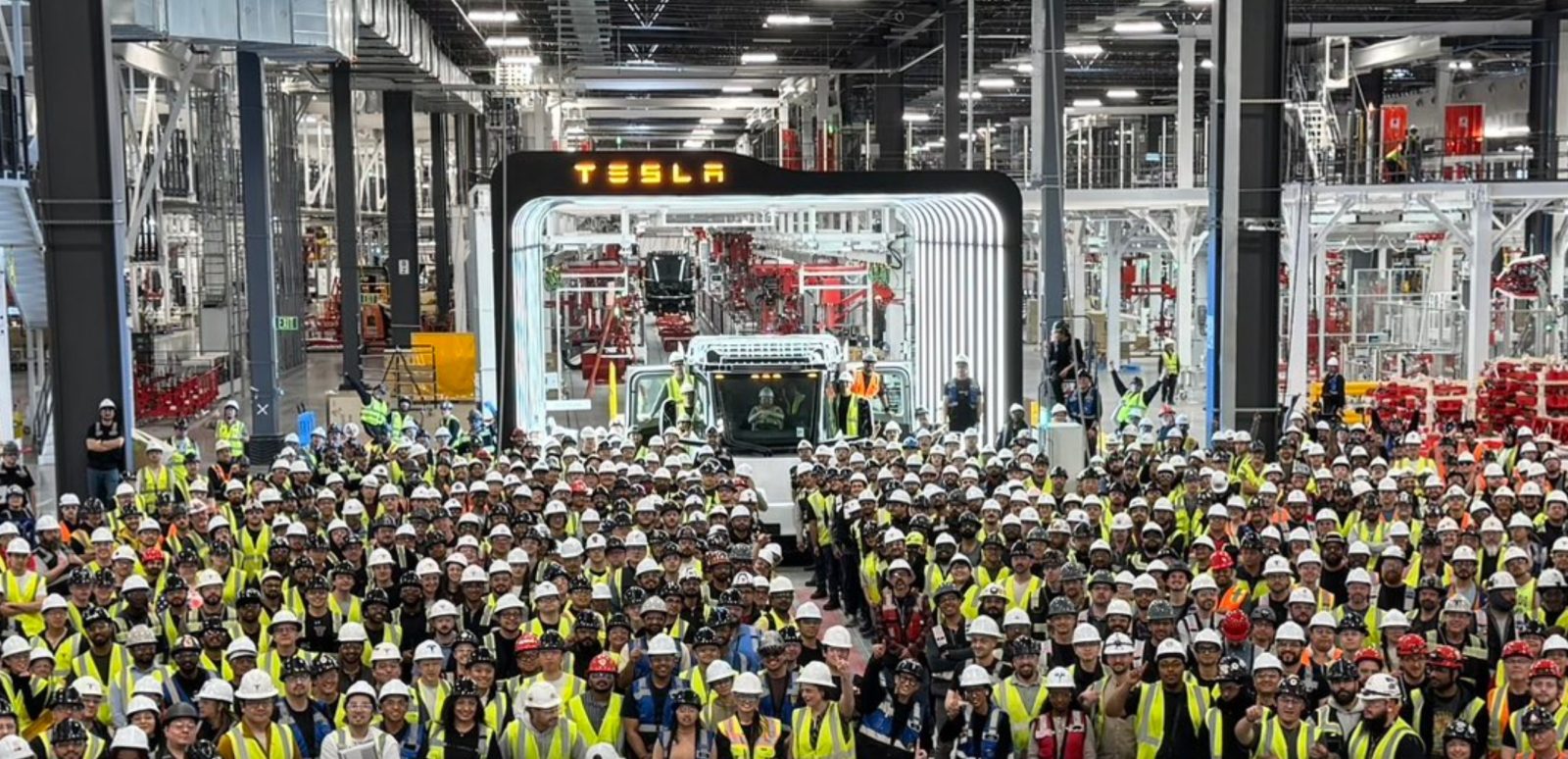
Tesla has successfully produced the first Tesla Semi from its dedicated high-volume assembly line at the Gigafactory Nevada complex. This development signifies that the company is now capable of manufacturing the electric semi-truck at scale, moving beyond earlier low-volume pilot runs. The vehicle rolled off the line at a specialized facility covering 1.7 million square feet, specifically retrofitted for Semi production. Executives shared an image of the truck on the official Tesla Semi social media account, confirming that serial production is now underway. This event is crucial because it demonstrates Tesla's ability to industrialize a complex vehicle that has been in development for years, addressing both technical and logistical hurdles that previously delayed its launch.
Where is the Tesla Semi produced?
The Tesla Semi is manufactured at a dedicated production facility within the Gigafactory Nevada site, located near Reno, Nevada. This facility spans approximately 1.7 million square feet and was originally designed to support battery cell and powertrain manufacturing but has been repurposed to accommodate the assembly of the electric semi-truck. The location allows Tesla to integrate battery production closely with vehicle assembly, reducing supply chain complexity. The Gigafactory Nevada already produces batteries for Tesla's passenger vehicles and energy storage products, so leveraging existing resources for Semi production aligns with the company's vertical integration strategy. This centralized approach helps control costs and ensures that key components like the 4680 cells and drive units are readily available for the truck.
Why is this high-volume production milestone significant?
This milestone is critical because it transitions the Tesla Semi from a low-volume, limited-release vehicle to a mass-producible product. Prior to this, Tesla had only manufactured a small number of units for internal testing and early customer deliveries, notably to PepsiCo in late 2022. Achieving high-volume production means Tesla is now prepared to fulfill bulk orders from fleets like PepsiCo, Walmart, and other companies that rely on long-haul trucking. It also addresses long-standing investor and customer skepticism about the program's viability. With the dedicated assembly line operational, Tesla can ramp up output to meet demand, which has been pent up for years. This step is essential for the company to capture market share in the heavy-duty electric truck segment and to demonstrate that its previously announced timeline and production targets are achievable.
What are the key specifications and features of the Tesla Semi?
The Tesla Semi is designed for regional and long-haul freight transportation, offering an estimated range of up to 500 miles on a single charge, depending on configuration and load. It features a low center of gravity due to its battery pack placement, enhancing handling and safety. The truck can accelerate from 0 to 60 mph in under 20 seconds when fully loaded, a performance rarely seen in conventional diesel semis. It uses three independent electric motors—one for continuous highway cruising and two for maximum torque—providing redundant power. Additionally, the Semi incorporates Tesla's advanced autopilot and safety systems. Charging is supported by Tesla's V4 Superchargers and dedicated Megachargers at fleet depots, capable of adding significant range in a short time. The cabin is designed for driver comfort with a central seating position and enhanced visibility.

How does this affect the delivery timeline for customers?
With the high-volume production line now active, Tesla can begin fulfilling pending orders more quickly. Early adopters like PepsiCo have already received a limited number of Semis for pilot programs, but the new line enables serial production. Customers who placed orders—such as Anheuser-Busch, UPS, and Sysco—can expect their vehicles to be delivered in the coming months and years as output scales. Tesla has stated that it aims to produce a significant number of units per week, though exact figures are not yet public. The company's prior experience with vehicle production ramps at Gigafactory Texas and Shanghai suggests it may take a few quarters to reach steady-state volume. Ongoing supply chain improvements and in-house battery production at Nevada will help mitigate bottlenecks that previously slowed the program.
What does the future hold for the Tesla Semi program?
Following this production breakthrough, the Tesla Semi is poised to expand its footprint in the commercial trucking industry. Tesla plans to integrate the truck with its fleet management software and energy ecosystem, allowing customers to optimize routes and lower total cost of ownership. The Nevada facility is expected to eventually support multiple shifts and potentially expand to meet global demand. However, challenges remain, including the need for broader installation of Megachargers at freight hubs and regulatory hurdles in different markets. Long-term, Tesla aims to reduce the cost per mile of trucking by leveraging economies of scale and continuous improvement in battery technology. The success of the Semi also supports Tesla's broader mission to transition heavy transport to zero-emission solutions, which currently accounts for a significant portion of global carbon emissions. If the ramp goes well, the Semi could become a benchmark for electric heavy-duty vehicles.