Selecting the Optimal Peristaltic Pump for Your Fluid Transfer Needs
Overview
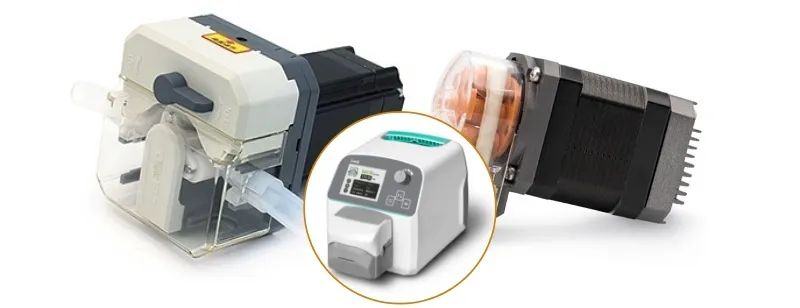
Peristaltic pumps offer a remarkably simple yet effective solution for transferring fluids without any contact between the fluid and the pump mechanism. This inherent isolation makes them indispensable in medical, industrial, research, and agricultural applications where contamination must be avoided. Originally developed in the 19th century, these positive displacement devices operate by squeezing fluid through a flexible tube using rotating rollers or shoes. Over time, numerous variations have emerged, each tailored to specific performance requirements—from precise dosing in laboratories to robust continuous flow in factories. This guide will help you navigate the key considerations and avoid common pitfalls when selecting and implementing a peristaltic pump for your project.
Prerequisites
Before diving into selection, ensure you have a clear understanding of the following:
- Fluid properties: viscosity, chemical reactivity, abrasiveness, and required purity.
- Flow requirements: continuous flow rate, volume per dose, and acceptable tolerance.
- Tubing materials: common options like silicone (biocompatible), PVC (cost-effective), and exotic variants (e.g., Viton, Tygon) for aggressive chemicals.
- Motor control: basic knowledge of DC motors for continuous flow and stepper motors for precision dosing.
Step-by-Step Guide
1. Define Flow Characteristics
Start by answering two questions: Is the flow continuous or intermittent? and What level of dosing accuracy is needed? Continuous applications (e.g., circulating culture media) typically tolerate lower precision, while dosing (e.g., adding reagent to a reaction) may require stepper-motor control. Also note whether flow reversal is necessary—a feature supported by most peristaltic pumps but requiring appropriate drive circuitry.
2. Choose the Pump Mechanism: Rollers vs. Shoes
The core mechanism determines pressure capability and tube life:
- Roller-based pumps: Ideal for general-purpose, low-to-medium pressure tasks. Rollers minimize tube stress and allow gentle handling of shear-sensitive fluids. Suitable for laboratory, medical, and light industrial use.
- Shoe-based pumps: Use flat shoes that compress the tube against a curved track, producing higher pressures (up to 8 bar) and improved endurance. Best for heavy-duty industrial settings, high-viscosity fluids, or when longer tube life is critical.
For most DIY or moderate-duty projects, a roller mechanism is sufficient. If your application involves thick slurries or requires sustained high pressure, choose shoe-based.
3. Select Tubing Material
Tubing is the heart of the system—it contacts the fluid and must resist degradation. Common options:
- Silicone: Excellent biocompatibility, wide temperature range (-50 to 230°C), and low toxicity. Preferred for medical, food, and pharmaceutical uses.
- PVC: Lower cost, good chemical resistance to mild acids/bases, but less flexible and may leach plasticizers. Suitable for water-based solutions and many industrial fluids.
- Exotic materials: Viton (fluorocarbon) for solvents and oils, Tygon for strong acids/bases, and Norprene for high abrasion. Check chemical compatibility charts before choosing.
Important: Always match tubing inner diameter to the pump head's recommended size. Using tubing that is too small increases friction and reduces flow; too large causes poor compression and backflow.
4. Motor and Drive Selection
The motor type dictates control precision:
- Continuous (DC) motor: For steady, non-critical flow. Use with a simple speed controller (e.g., PWM) to adjust flow rate. Example: a 12V DC peristaltic pump circulating coolant in a home-built flow battery.
- Stepper motor: For accurate dosing. A stepper allows fractional rotation of the pump head, giving precise volume increments. Arduino control with a driver (A4988 or TMC2209) is common. Example code for a simple dose (pseudocode):
// 200 steps/rev, pump head dispenses 0.1 mL per revolution // Dose 5 mL: steps = (5 / 0.1) * 200 = 10000 steps moveStepper(10000, direction); delay(500); // wait for flow stopAdjust based on your tubing geometry.
If you need flow reversal, ensure the motor driver can handle bidirectional control. For high torque at low speeds, gearheads or planetary gears may be necessary.
5. Set Tube Compression and Occlusion
Compression directly affects flow rate, pressure, and tube wear. Over-compression reduces tube life and can cause leakage; under-compression leads to back-slip and inconsistent flow. Most pump heads have an adjustable track or roller spacing. Follow manufacturer guidelines: typically, the tube should be compressed to about 50-70% of its original wall thickness. Check that the tube does not stick to the rollers after release—this indicates excessive force.
6. Assembly and Testing
- Secure the pump head to the motor shaft. Use a coupling if necessary.
- Thread the tube through the pump head, ensuring it sits snugly against the rollers or shoes.
- Connect the motor to your power source and controller.
- Prime the tube by running the pump at low speed until fluid enters and exits smoothly.
- Measure actual flow rate using a graduated cylinder and stopwatch. Adjust speed or tube diameter as needed.
For dosing applications, calibrate by running a known number of steps and measuring dispensed volume. Create a lookup table for volumes vs. steps.
Common Mistakes
- Wrong tubing material: Using PVC with solvents can cause swelling and failure. Always verify chemical compatibility using manufacturer data sheets.
- Excessive compression: Many novices overtighten the pump head, leading to premature tube cracking. Use the minimum compression that prevents backflow.
- Ignoring tube fatigue: Peristaltic tubes wear out over time (typically 100-1000 hours depending on material and speed). Schedule periodic replacement and keep spare tubing on hand.
- Neglecting backpressure: If the pump must push fluid against a high head (e.g., into a pressurized vessel), the flow rate will drop and stall may occur. Check pump specifications for maximum pressure.
- Incorrect motor driver: Stepper motors require adequate current and microstepping for smooth operation. Undersized drivers can overheat and skip steps.
Summary
Selecting the right peristaltic pump involves understanding the interplay between fluid properties, required precision, pump mechanism, tubing material, and motor control. For most general-purpose tasks, a roller pump with silicone tubing and a DC motor suffices. For precision dosing, a stepper motor with adjustable tube compression is key. Always prioritize chemical compatibility and tube longevity. By following the step-by-step process outlined above and avoiding common pitfalls, you can build a reliable fluid transfer system tailored to your exact needs.