How a Cancer Therapy is Offering New Hope for Autoimmune Disorders
A Personal Struggle That Led to a Pioneering Treatment
At age 49, Jan Janisch-Hanzlik found her multiple sclerosis eroding the life she loved. The active nursing career she once had gave way to a desk job. Simple joys, like carrying her grandchildren, turned risky due to frequent falls. She moved to a larger home to accommodate the wheelchair she feared might become a permanent necessity.
Even the most advanced medications failed to ease her symptoms, and the outlook seemed bleak. That changed when she discovered a clinical trial testing CAR T cell therapy at the University of Nebraska Medical Center in Omaha, near her home in Blair. Determined, she called the clinic every other month until they enrolled her as the first patient.
From Cancer to Autoimmune: The Evolution of CAR T Therapy
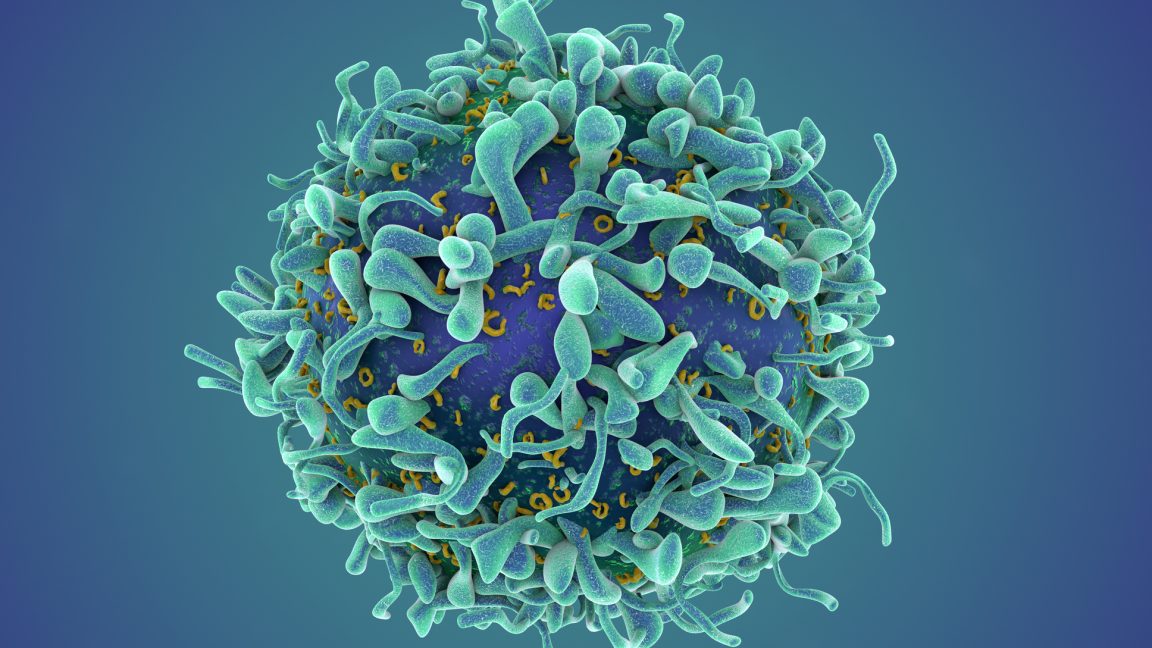
Originally designed to fight blood cancers by reprogramming a patient's immune cells, CAR T therapy is now being explored in hundreds of clinical trials for autoimmune conditions such as multiple sclerosis, lupus, Graves' disease, and vasculitis. The strategy is to replicate its success in cancers by seeking out and destroying the immune cells that mistakenly attack the body's own tissues in autoimmune diseases.
This approach could theoretically reset the immune system to a state similar to before the disease began, offering a potential long-term solution rather than just symptom management.
A New Frontier: Autoimmune Clinical Trials
Researchers are investigating CAR T therapy for a wide range of autoimmune disorders. Here are some of the conditions being targeted in current trials:
- Multiple sclerosis – where the immune system attacks the protective coating of nerves
- Lupus – a chronic inflammatory disease affecting multiple organs
- Graves' disease – an autoimmune disorder causing overactive thyroid
- Vasculitis – inflammation of blood vessels
Each condition involves rogue immune cells that CAR T therapy aims to eliminate. The potential benefits are enormous, especially for patients who have not responded to conventional treatments.
How CAR T Could Reset the Immune System
In cancer treatment, CAR T cells are engineered to recognize and kill tumor cells. For autoimmune diseases, the target shifts to self-reactive immune cells – those that attack the body's own tissues. By eliminating these problematic cells, the therapy might allow the immune system to regenerate in a healthier, more tolerant state.
This concept is often described as an immune reset. Early results from small studies have been promising, with some patients experiencing significant symptom relief and reduced need for ongoing medication.
Patient Story: A Glimmer of Freedom
Jan Janisch-Hanzlik’s story illustrates both the desperation and the hope surrounding this therapy. After conventional treatments failed, she took matters into her own hands, persistently pursuing the trial. Her experience as the first enrolled patient shows the courage of those willing to try unproven approaches when standard options are exhausted.
While the full outcomes of her treatment are still being assessed, her journey highlights the human side of medical innovation – and the transformative potential when a therapy originally designed for one disease finds a new purpose.
What This Means for the Future
The expansion of CAR T therapy into autoimmune diseases represents a paradigm shift. If large-scale trials confirm the early promise, millions of people living with chronic autoimmune conditions could gain access to a treatment that not only manages symptoms but potentially reverses the underlying disease process.
However, challenges remain. The therapy is complex and costly, and long-term safety data are still limited. Researchers are working to refine the approach to minimize side effects like cytokine release syndrome, which can cause severe inflammation.
Nevertheless, the possibility of a one-time treatment that provides lasting remission is a powerful motivator. For patients like Jan, who face a future of progressive disability, CAR T therapy offers a glimmer of freedom that was previously unimaginable.
As clinical trials expand and data accumulate, the medical community watches with cautious optimism. The same revolutionary approach that has transformed the treatment of blood cancers may soon do the same for autoimmune diseases.