5 Celestial Highlights of the Venus-Moon Conjunction on May 18
On May 18, skywatchers are in for a treat as Venus and a delicate crescent moon pair up in the western sky after sunset. This dazzling duo creates a perfect moment for both seasoned astronomers and casual observers. Here are five key things you need to know to make the most of this celestial event.
1. When and Where to Look
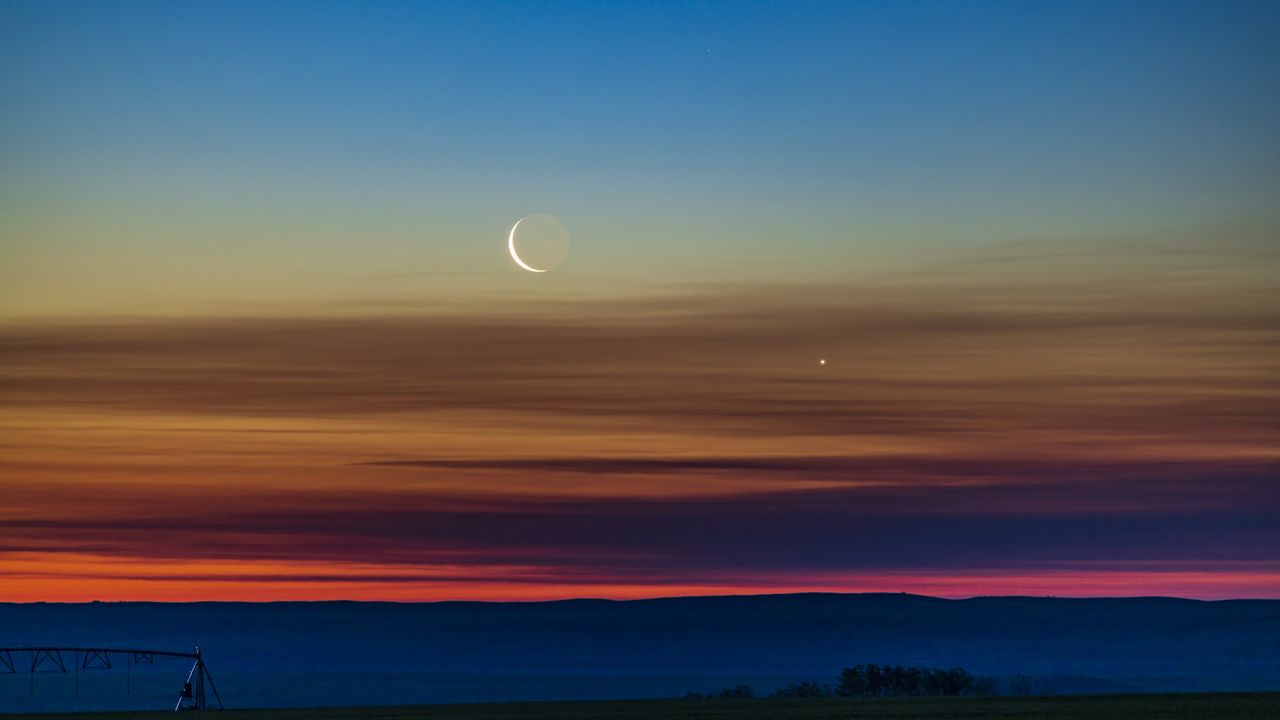
The best time to spot the Venus-Moon conjunction is about 30 to 45 minutes after sunset on May 18. Head to a location with a clear, low western horizon free from tall buildings or trees. Look roughly halfway up the sky—the moon and Venus will be bright enough to pierce the twilight glow. For precise timing, use a stargazing app or check local sunset times. Remember, the pair sets quickly, so don't delay!
2. Venus Shines as the Evening Star
Venus is currently at its peak as the Evening Star, outshining all other celestial bodies except the moon. Its brilliance comes from its thick, reflective cloud cover and proximity to Earth. On May 18, Venus will appear as a stunning, unwavering white beacon beside the moon. If you look through binoculars, you might even glimpse its crescent phase—a tiny sliver of light. This makes Venus a prime target for even the simplest optics.
3. The Crescent Moon Adds a Delicate Touch
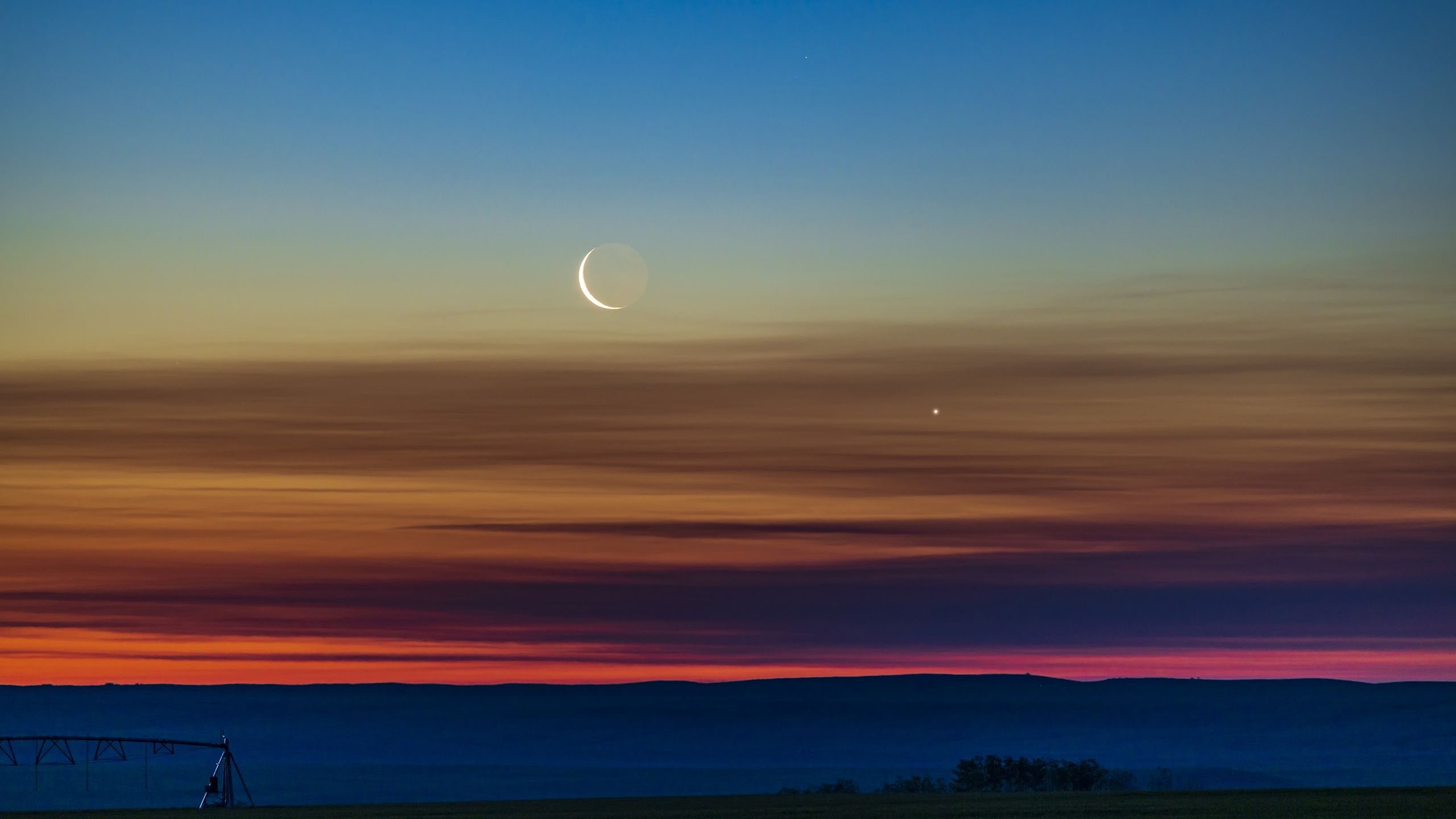
The moon will be a slender crescent, only about 5% illuminated, creating a poetic contrast with Venus. This phase occurs shortly after the new moon, so its disk is mostly in shadow. The dark portion may show a soft glow called earthshine—sunlight reflected off Earth onto the lunar surface. This subtle effect is best seen with the naked eye or a camera set to a low exposure. The thin crescent and earthshine together create a magical, almost ethereal appearance.
4. Photography Tips for Perfect Shots
Capturing this conjunction is easier than you think. Use a tripod to stabilize your camera or phone. Set exposure to 2–4 seconds at ISO 400–800 for a balanced image. A telephoto lens (200mm or more) will bring the pair closer, while a wide-angle lens can include interesting foregrounds like trees or city lights. For a truly dramatic shot, try a time-lapse as the sky darkens. Remember to focus manually on Venus, as autofocus may struggle in twilight.
5. Why This Event Matters
Conjunctions like this offer a unique chance to connect with the cosmos. Venus and the moon have been observed for millennia, influencing calendars, mythology, and navigation. This specific alignment is special because of the extreme thinness of the moon and the brightness of Venus, making them appear almost as celestial ornaments. Whether you’re a seasoned astronomer or a curious newcomer, this event reminds us of the beauty in our solar system’s dance. Mark your calendar and step outside—it’s a fleeting moment worth savoring.
6. What to Watch For After the Event
Once the conjunction passes, keep an eye on Venus and the moon over the following days. The moon will wax into a thicker crescent, climbing higher each evening. Venus will remain in the west for several weeks, gradually sinking lower. You can also track upcoming planetary groupings—Mars and Jupiter are putting on a show in the morning sky. Download a star chart app to stay informed about future events. The universe is always offering new wonders.
In conclusion, the Venus-Moon conjunction on May 18 is a simple yet profound astronomical sight. With minimal planning, you can witness a beautiful alignment that has inspired people for centuries. Don’t let the opportunity pass by—grab a chair, look west, and enjoy the show.