Kioxia XG10 PCIe 5.0 SSD: Next-Level Speed for Workstations and Gaming
Kioxia's latest SSD series, the XG10, promises to dramatically accelerate your next work or gaming PC. Built on the PCIe 5.0 interface, it delivers blazing read speeds up to 14,000 MB/s—nearly doubling previous-generation performance. This Q&A covers who benefits most, how it stacks up against older drives, and what makes it a standout choice for demanding workloads.
What is the Kioxia XG10 SSD and who is it intended for?
The XG10 is a high-performance NVMe SSD from Kioxia, designed for professional workstations, AI development systems, creative production, and enthusiast gaming rigs. By leveraging PCIe 5.0’s doubled bandwidth, it targets users who handle large data sets—like 8K video editing, complex simulations, or heavy multitasking—where every millisecond matters. It’s also a strong upgrade for gamers who want faster load times and smoother texture streaming.
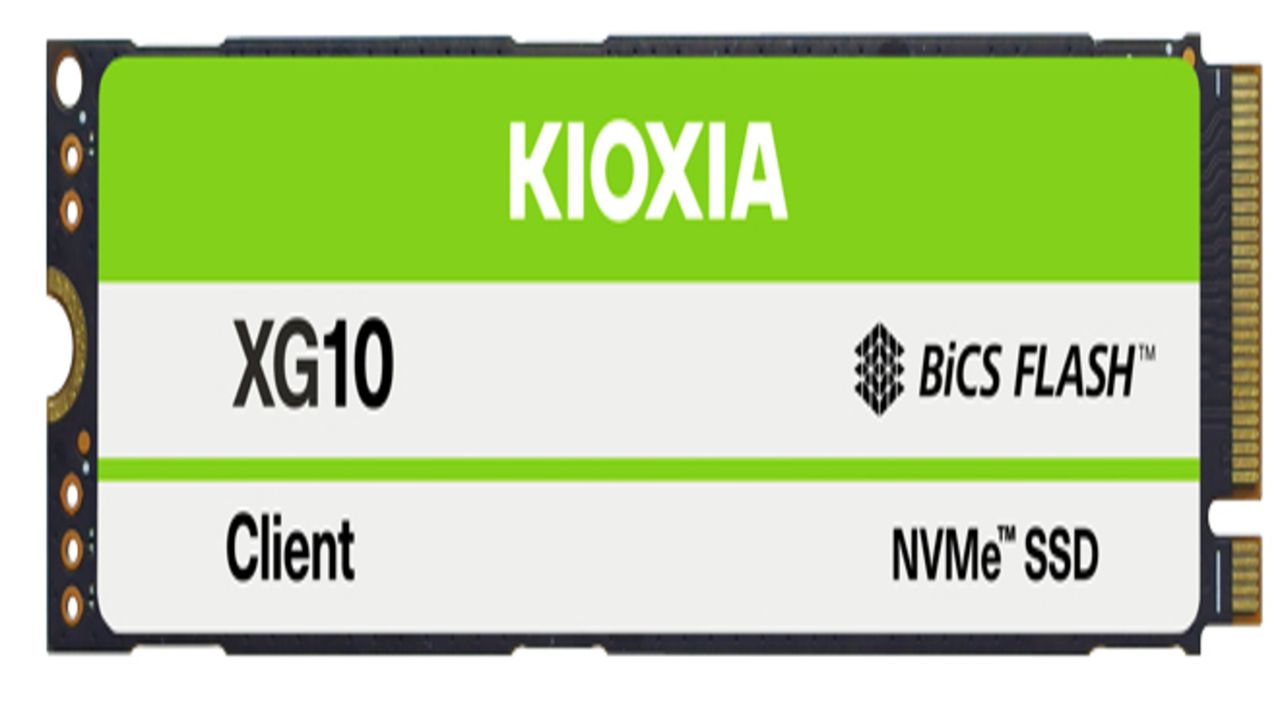
What are the key specifications, especially read and write speeds?
The XG10 series supports PCIe 5.0 x4 and NVMe 2.0, with sequential read speeds reaching up to 14,000 MB/s and write speeds up to 10,000 MB/s. It uses Kioxia’s BiCS FLASH 3D NAND memory and comes in capacities ranging from 512 GB to 4 TB. These numbers make it one of the fastest consumer SSDs currently announced, rivaling enterprise-grade drives in raw throughput.
How does PCIe 5.0 benefit AI workstations and creators?
For AI workloads, training models often involve reading and writing enormous datasets. PCIe 5.0’s bandwidth (up to 32 GT/s per lane) cuts data transfer bottlenecks by almost half compared to PCIe 4.0. Creators working with high-resolution video or 3D assets can preview edits in real-time without stuttering, and render times shrink as assets load faster. The XG10 also reduces latency, which is critical for tasks like random-access pattern processing in machine learning.
How does the XG10 compare to PCIe 4.0 SSDs?
Current PCIe 4.0 SSDs top out at around 7,000–7,500 MB/s sequential reads. The XG10’s 14,000 MB/s is essentially double that—translating to faster file transfers, quicker OS boot times, and improved responsiveness in data‑intensive applications. For everyday use, the difference may be less noticeable, but for professionals moving multi‑gigabyte files or running RAM‑disk‑like workloads, the upgrade is dramatic. Power efficiency also sees gains due to newer controller and NAND optimizations.
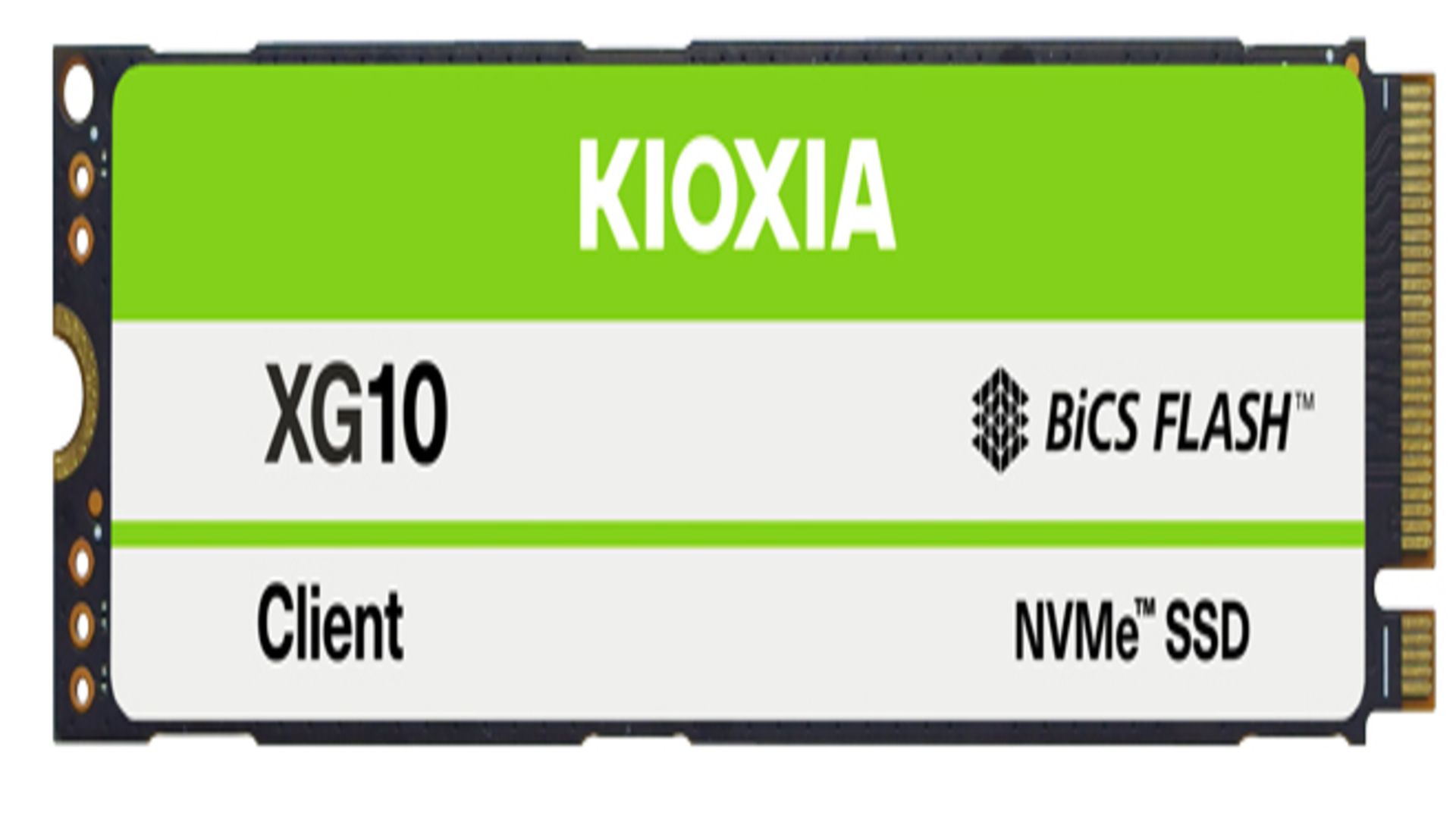
What makes the XG10 different from other PCIe 5.0 SSDs on the market?
While several PCIe 5.0 drives exist, the XG10 stands out with Kioxia’s vertically integrated NAND and controller design. This allows tighter optimizations for endurance and sustained performance. It also includes features like thermal throttling mitigation through advanced heat spreading, ensuring consistent speeds during heavy workloads. Kioxia claims reliability improvements via its proprietary error‑correction algorithms, making it suitable for 24/7 operation in workstations. Additionally, the XG10 is offered in both M.2 2280 and E1.S form factors to accommodate different system designs.
When can we expect the XG10 to be available?
Kioxia has announced the XG10 series with samples already shipping to partners. Broad retail availability is expected later this year, exact pricing hasn’t been disclosed. Early estimates suggest it will compete with other high‑end PCIe 5.0 drives like Samsung’s 990 Pro or WD’s SN810 series, but at a potential premium due to its top‑tier speeds. For the latest updates, check Kioxia’s official website or follow tech news outlets.